West-side neighborhoods are proud of their Douglas firs. In January 2024, those firs became the problem.
A week-long storm of ice, snow and wind hit the Portland area in mid-January. Washington County counted more than 160 fallen trees on public property, and that count didn’t include the trees that fell onto private homes and yards. Arborists noted that many of the trees that came down were Douglas firs, the region’s most common conifer.
Why healthy firs fell
In 2021, the ice storm mostly broke broadleaf trees and oaks. In 2024 it was different. Arborists pointed to a combination: ground saturated by weeks of rain, snow and ice loading the crowns, and strong east winds pushing on them. A tall fir with a heavy crown in soggy soil can tip over even when it’s healthy.
What that means for your roof
No roof is built to stop a falling fir. The most useful thing a Beaverton homeowner can do is have an arborist look at the big conifers on the lot, especially those leaning toward the house or growing in wet ground.
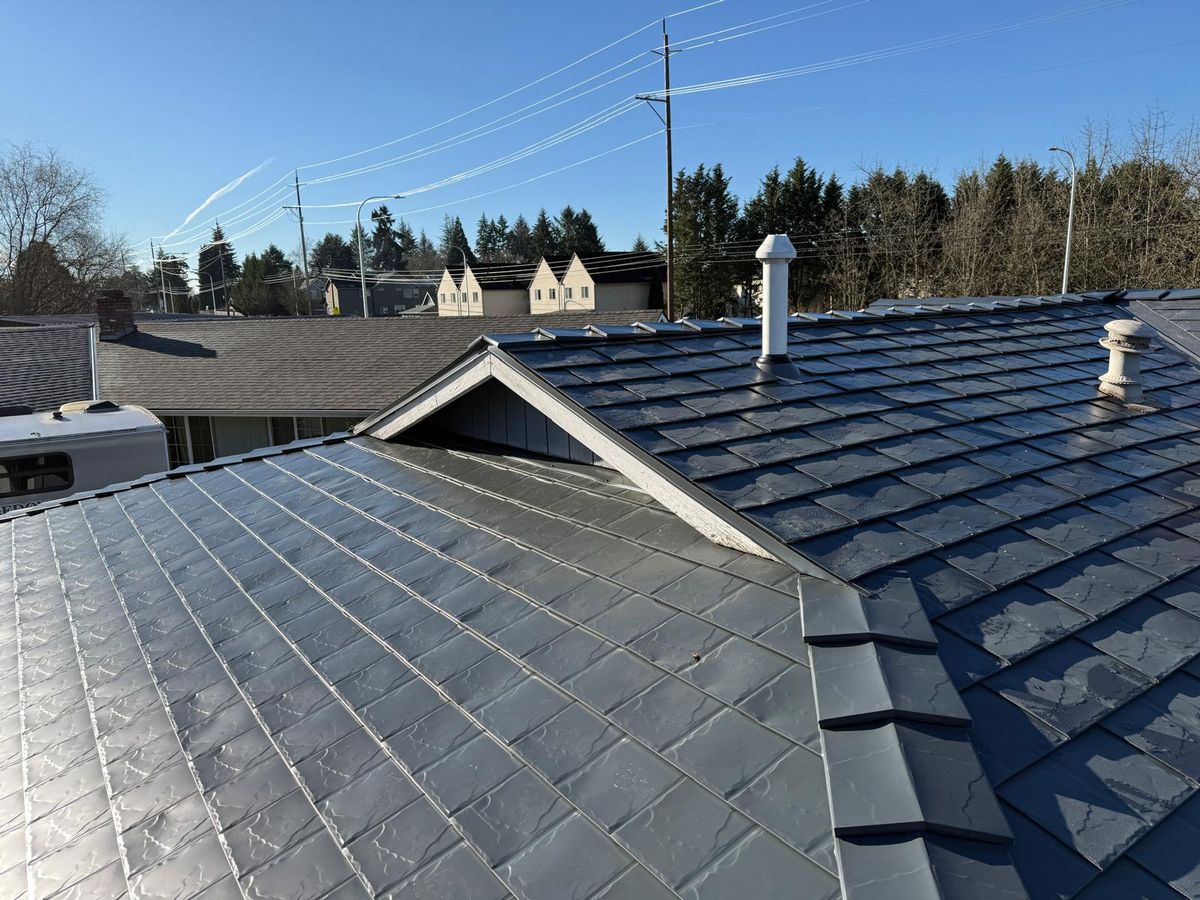
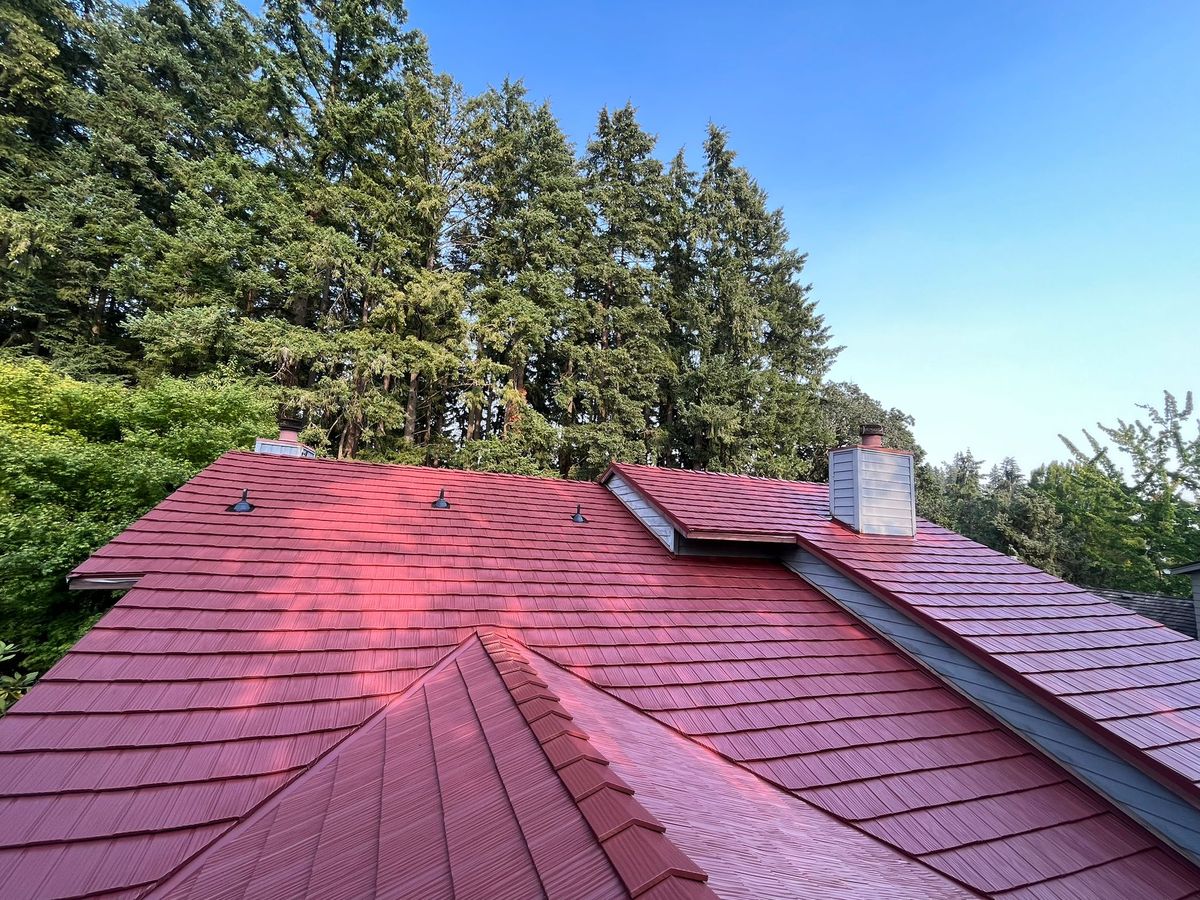
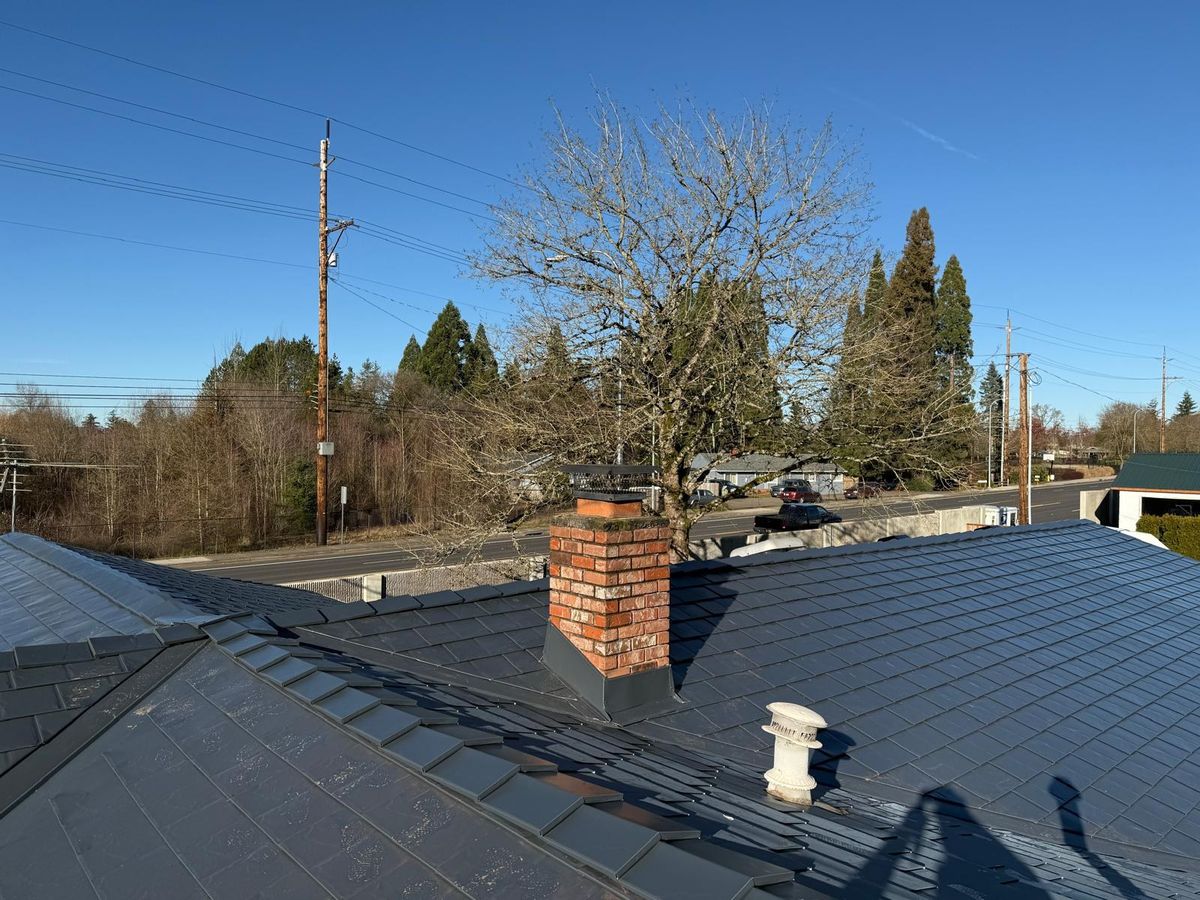
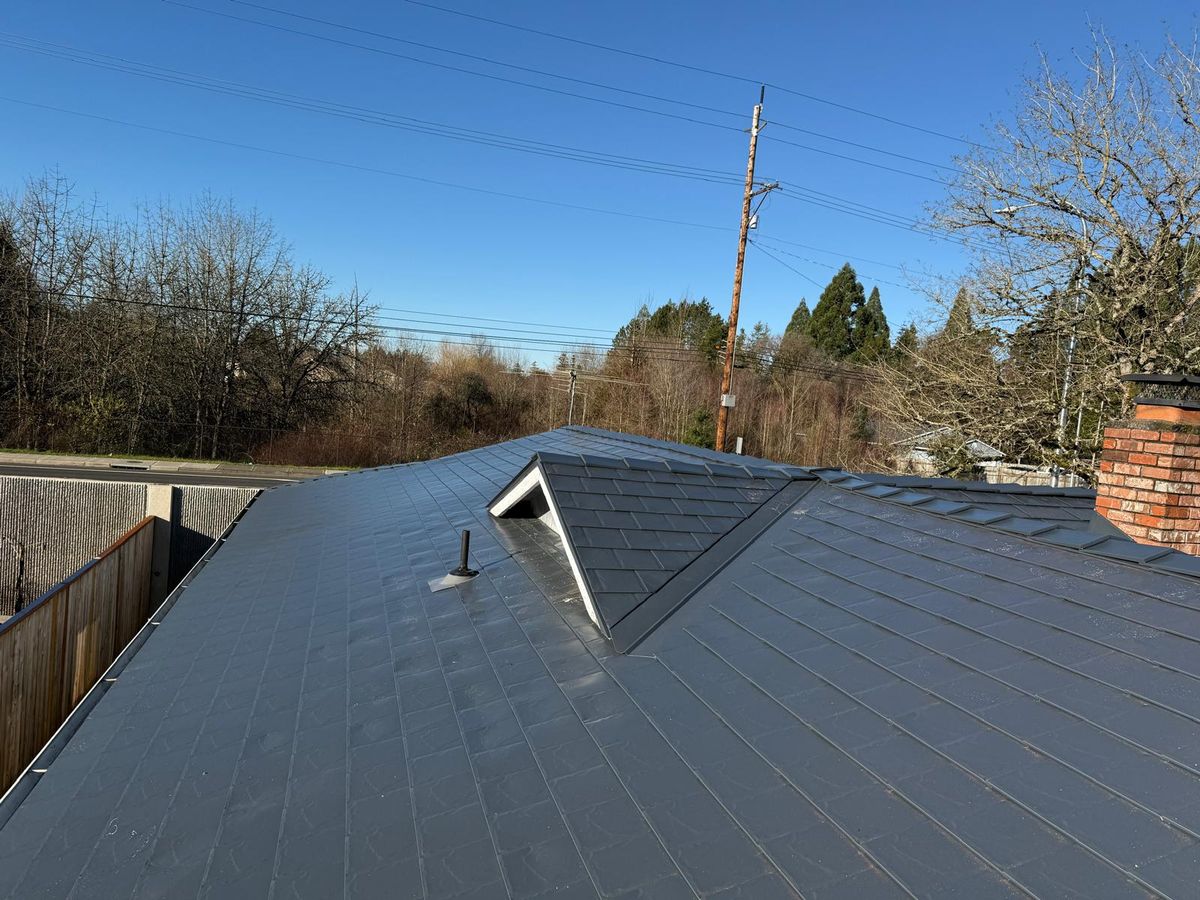
When the roof itself is due, choose one built for west-side storms:
- Cold: aluminum stays tough in freezing weather instead of turning brittle.
- Wind: Interlock® panels lock on four sides with concealed fasteners; wind resistance is warranted to 120 mph installed to manufacturer specification.
- Repairs: if a limb damages the roof, our own service team handles the repair.
- Debris: needles and cones don’t grip smooth aluminum the way they grip asphalt granules.
Source: Washington Post via Anchorage Daily News, January 29, 2024.